Indonesian Heritage Tattoo: Preserving Culture Through Contemporary Ink
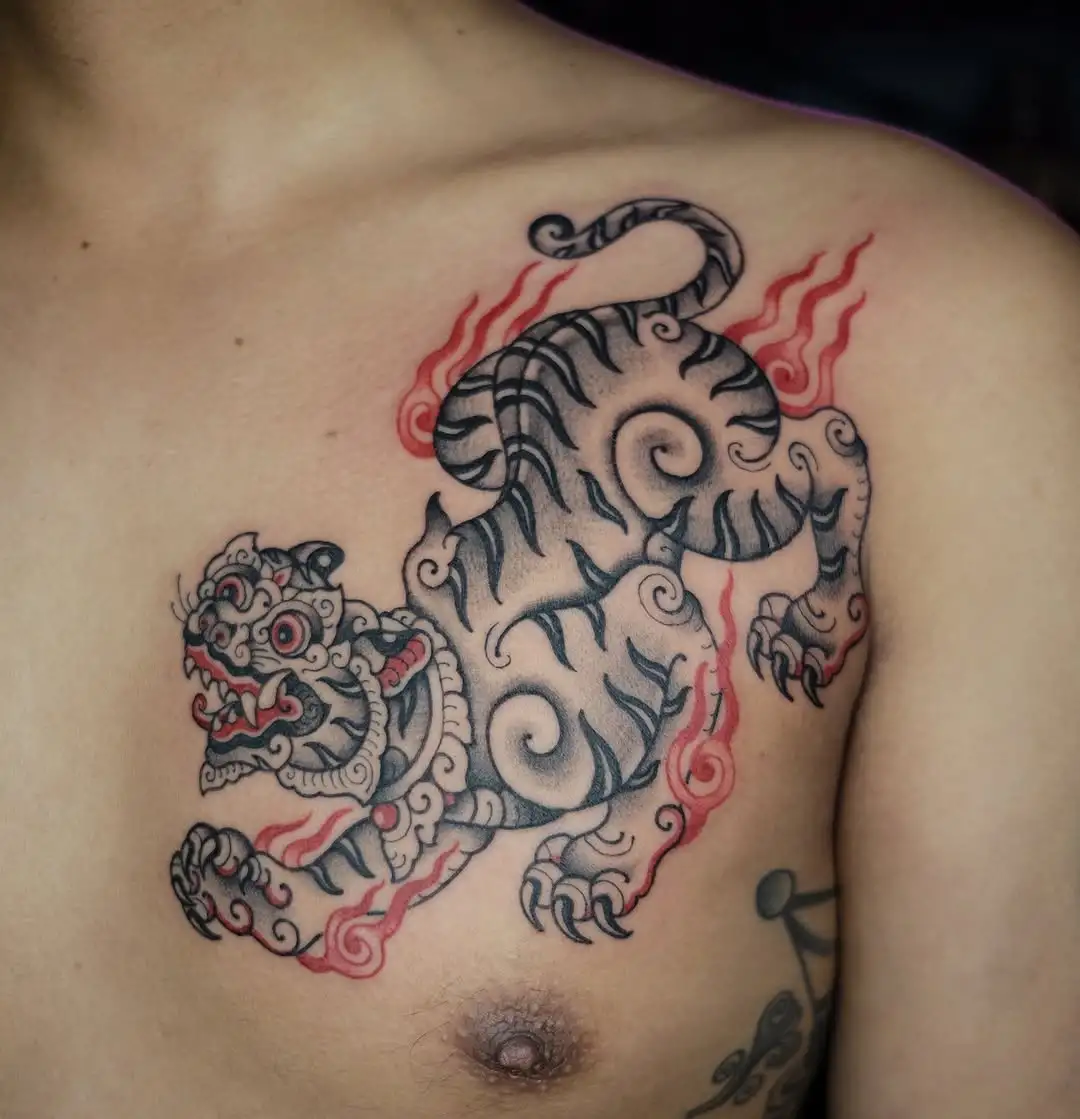
Tattooing is more than an image placed on the skin. For many people, a tattoo becomes a personal marker of identity, memory, belief, transformation, and belonging. When a tattoo is inspired by Indonesian heritage, it carries something even deeper: a connection to culture, ancestry, craftsmanship, and stories that have lived for generations.
At Sekala 369, Indonesian heritage tattoo is not treated as decoration alone. It is approached as a living visual language. Every line, ornament, symbol, and composition can become a bridge between the past and the present, between tradition and contemporary tattoo art.
What Is an Indonesian Heritage Tattoo?
An Indonesian heritage tattoo is a tattoo inspired by the visual culture, symbols, patterns, and philosophies found across Indonesia. It may draw from Balinese ornaments, Javanese batik, wayang figures, temple carvings, traditional textiles, sacred animals, mythology, or ancestral motifs.
However, a heritage tattoo is not simply about copying traditional patterns. A meaningful cultural tattoo requires understanding. It asks questions such as:
What does this symbol represent?
Where does this pattern come from?
Is it sacred, ceremonial, or decorative?
How can it be adapted respectfully into tattoo form?
How does it connect to the person wearing it?
This process is what separates a cultural tattoo from a random ethnic-inspired design.
Indonesian Ornament as a Living Visual Language
Indonesia is rich with ornamental traditions. From temple reliefs and wooden carvings to textiles and ritual objects, ornament has always played an important role in expressing meaning.
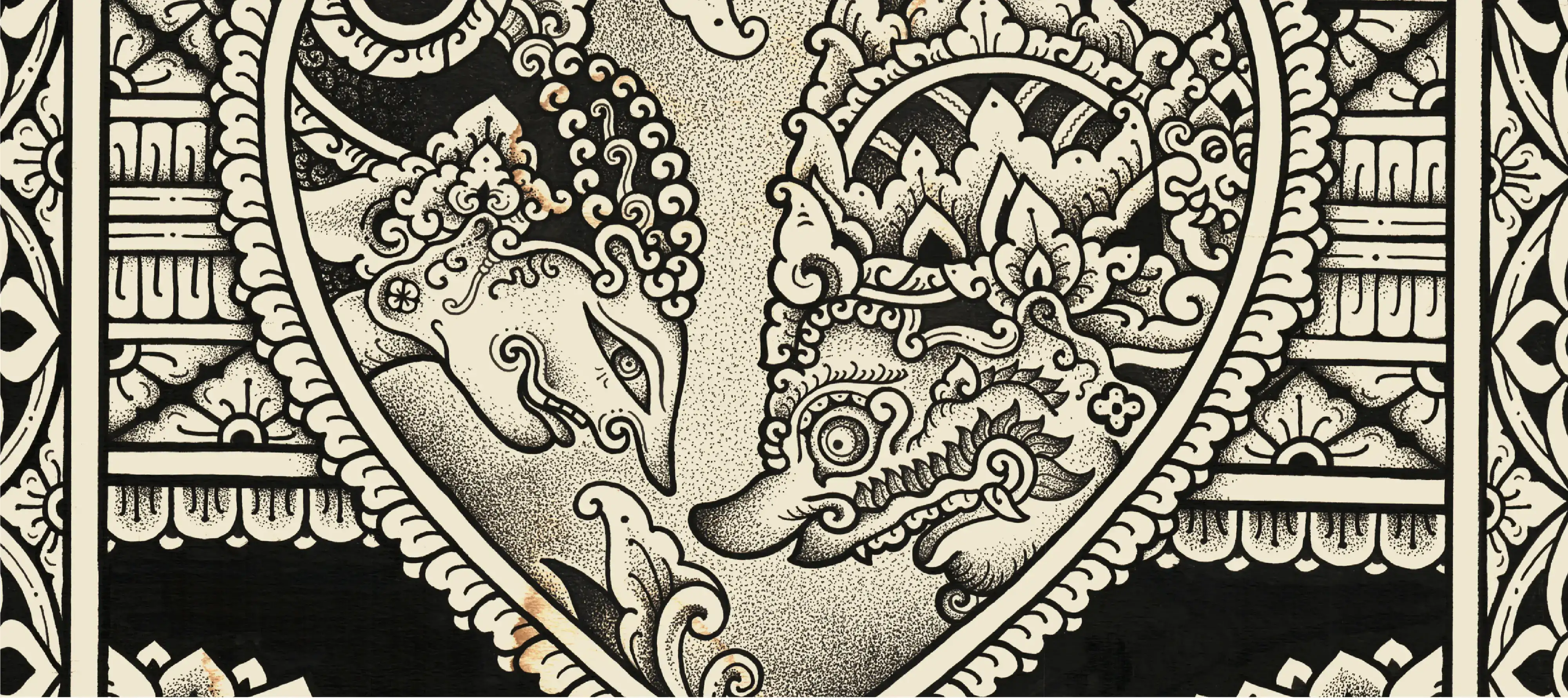
In Bali, ornaments are often seen in temples, architecture, ceremonial objects, paintings, and traditional craft. The forms can be floral, animalistic, mythological, or abstract. These shapes are not only made to beautify an object; they often reflect balance, protection, movement, nature, and spiritual connection.
In Java, batik patterns and wayang imagery carry philosophical meaning. Certain motifs can represent wisdom, power, patience, protection, nobility, or the cycle of life. In other regions, traditional textile patterns may reflect ancestry, social identity, cosmology, or local beliefs.
When translated into tattoo, these visual elements become a personal and permanent expression of heritage.
The Balance Between Tradition and Contemporary Tattoo
A strong Indonesian heritage tattoo should not feel like a museum piece. Tradition is not something frozen in the past. It can evolve, adapt, and continue living through new mediums, including tattoo.
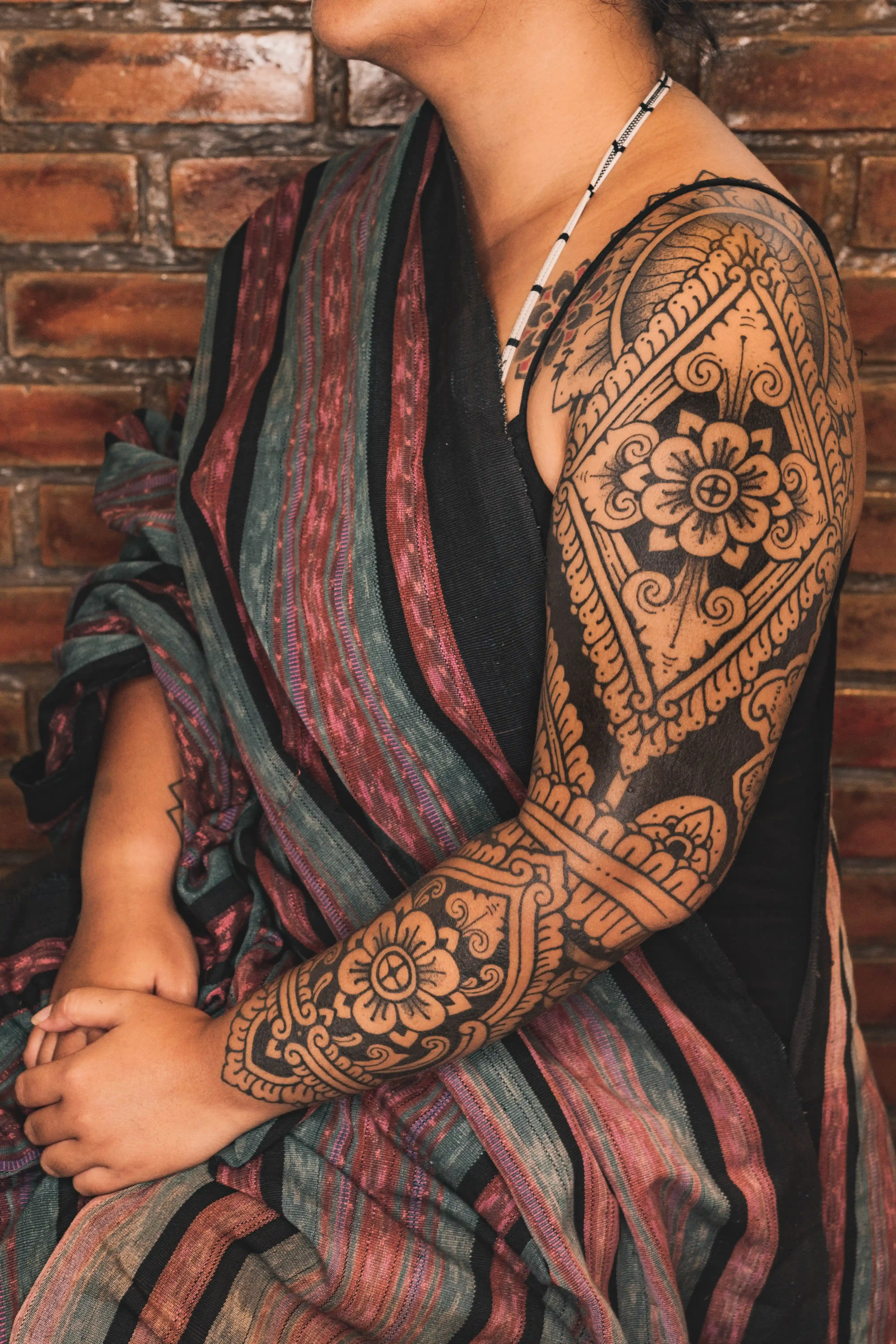
Contemporary tattoo allows traditional forms to move with the body. A Balinese ornamental pattern can follow the shoulder, arm, chest, back, or leg. A batik-inspired composition can become bold, minimal, symmetrical, or flowing. A mythological figure can be reinterpreted with modern linework, shading, and placement.
The challenge is to keep the soul of the source while creating something personal and wearable.
At Sekala 369, this balance is central to the work: respecting cultural roots while allowing the design to breathe as contemporary tattoo art.
Why Meaning Matters in Cultural Tattoo
Cultural symbols carry weight. Some are protective. Some are sacred. Some are connected to rituals, temples, ancestors, or spiritual beliefs. Because of this, not every symbol should be used casually.
For example, in Balinese culture, figures such as Barong are not merely visual icons. Barong represents protection, goodness, and spiritual balance. Using such imagery requires sensitivity and understanding.
This is why consultation is important. A tattoo artist working with cultural references should help the client understand the background of the design, the best placement, and whether the symbol is appropriate to use.
A meaningful tattoo is not only beautiful. It is also responsible.
The Role of Consultation in Heritage Tattoo
A custom heritage tattoo usually begins with conversation. Before creating the artwork, the artist needs to understand the client’s story, intention, background, and connection to the design.
The consultation may include:
Discussing the meaning behind the requested symbol
Choosing the right visual reference
Exploring cultural context
Adapting the design to the body
Considering size, placement, and flow
Making sure the final tattoo feels personal and respectful
This process gives the tattoo more depth. It becomes a collaboration between the artist, the client, and the cultural source behind the design.
Common Inspirations for Indonesian Heritage Tattoo
Indonesian heritage tattoo can take many forms. Some of the strongest inspirations include:
Balinese ornament
Flowing patterns, floral forms, mythological creatures, temple-inspired details, and decorative carvings.
Batik patterns
Symbolic textile motifs adapted into tattoo compositions, often with strong rhythm and repetition.
Wayang and mythology
Figures and stories from traditional performance, epics, and local philosophy.
Temple and architectural carving
Stone, wood, and relief-inspired shapes that bring structure, history, and sacred atmosphere.
Traditional textile motifs
Patterns from across Indonesia that reflect ancestry, identity, and local craftsmanship.
Protective symbols
Designs inspired by guardians, animals, spiritual balance, and ancestral protection.
Each source has its own meaning and should be approached with care.
Tattoo as Cultural Preservation
A tattoo can be a form of cultural preservation when it is done with respect, research, and intention. It allows traditional visual language to continue living in a modern world.
Instead of letting old patterns disappear, tattoo can introduce them to a new generation. It can invite people to ask questions, learn history, and reconnect with heritage.
For Sekala 369, tattoo is not separate from culture. It is a medium for storytelling. The skin becomes a canvas where memory, identity, and tradition can continue to move.
Choosing the Right Heritage Tattoo Studio in Bali
If you are looking for an Indonesian heritage tattoo in Bali, choose a studio that understands both tattoo technique and cultural context.
A good heritage tattoo studio should be able to:
Explain the meaning behind the design
Create custom artwork instead of copying generic references
Understand the flow of the body
Respect sacred and cultural boundaries
Offer a clear consultation process
Translate traditional inspiration into strong contemporary tattoo work
The right artist will not only ask what image you want. They will ask why it matters.
Sekala 369: Indonesian Heritage Through Tattoo and Custom Art
Sekala 369 is a Bali-based tattoo and custom art studio rooted in Indonesian heritage, ornamental design, and cultural storytelling. The studio explores the relationship between traditional visual culture and contemporary tattoo practice.
Inspired by Balinese and Indonesian ornament, Sekala 369 creates tattoos that are personal, symbolic, and deeply connected to place, memory, and meaning.
Every tattoo begins with intention. Every line carries a story.
Final Thoughts
An Indonesian heritage tattoo is not just about style. It is about connection. It connects the visible body with invisible meaning, the personal story with collective memory, and contemporary tattoo with ancestral visual language.
When created with respect, cultural understanding, and strong artistic direction, a heritage tattoo can become more than an artwork. It can become a living mark of identity.
For those seeking a tattoo that carries meaning, history, and Indonesian soul, Sekala 369 offers a thoughtful approach to cultural tattoo art in Bali.