Tattoos, Culture, and the Living Memory of Bali: A Conversation with Sekala 369 and Rumi Siddhartha
Tattooing is often seen as a visual expression on the body. But for Sekala 369, a tattoo can carry something much deeper than an image. It can hold memory, identity, cultural meaning, and a personal connection to something that cannot always be explained in words.
In the video “SEKALA 369 x RUMI SIDDHARTHA – In Conversation: Tattoos and Balinese Culture,” the discussion opens a thoughtful perspective on tattooing, especially in relation to Balinese culture. The conversation is not only about design or technique. It also explores how tattoos can become a bridge between personal stories and cultural heritage.
A Studio Rooted in Culture
The setting of the conversation reflects the character of Sekala 369 itself. Surrounded by books, artworks, traditional patterns, and studio objects, the space feels personal, artistic, and grounded. It is not presented like a typical commercial tattoo shop. Instead, it feels like a creative room where ideas, references, and cultural memories are continuously studied and developed.
This atmosphere shows one important thing about Sekala 369: tattooing is approached with thought and intention. Every design is not only made to look visually strong, but also to carry context.
Tattoo as More Than Decoration
One of the main ideas behind Sekala 369 is that tattooing should not be treated as simple decoration. A symbol, ornament, or traditional reference often carries a meaning that is connected to history, belief, ritual, and community.
This is especially important in Bali, where many visual elements are closely tied to culture and spirituality. Certain symbols cannot be used carelessly, because they may hold sacred meaning or belong to a specific cultural context.
Because of that, Sekala 369 places strong value on conversation. Before a tattoo becomes a permanent mark, there is a process of understanding the story, the reference, the placement, and the meaning behind the design.
Keeping Tradition Alive
The conversation also shows how tradition can continue to live through contemporary art. Sekala 369 does not treat culture as something frozen in the past. Instead, culture becomes a living source of inspiration that can be translated into new visual forms.
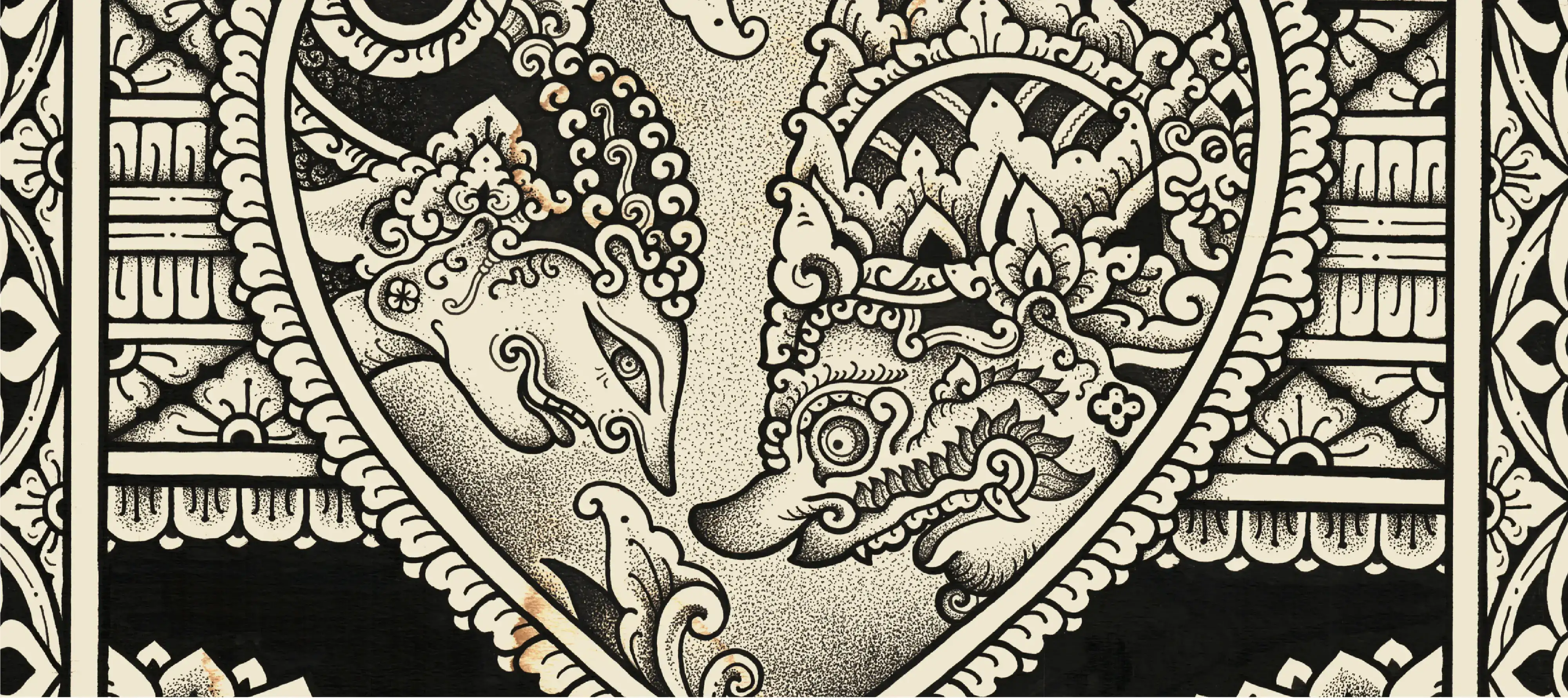
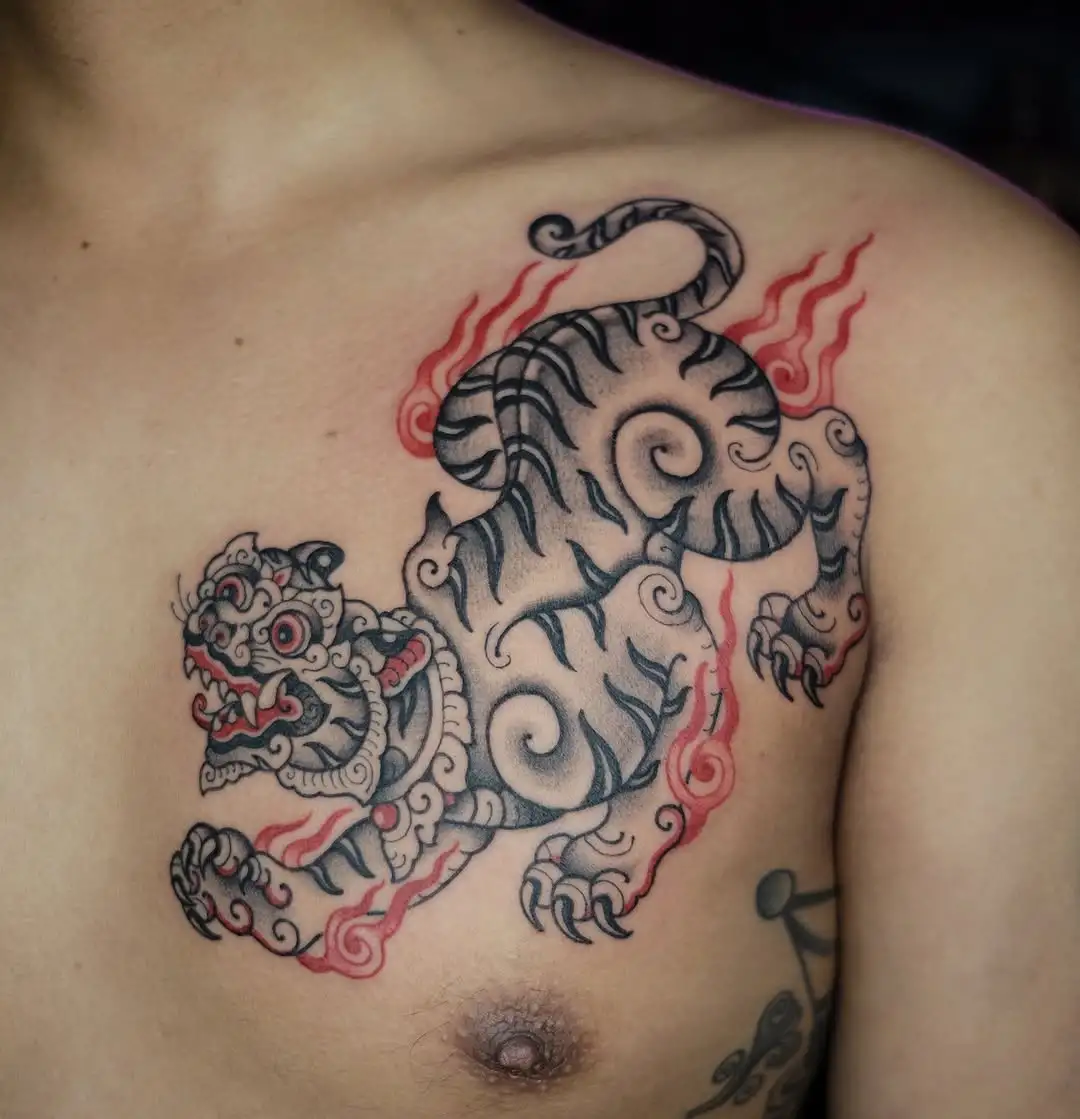
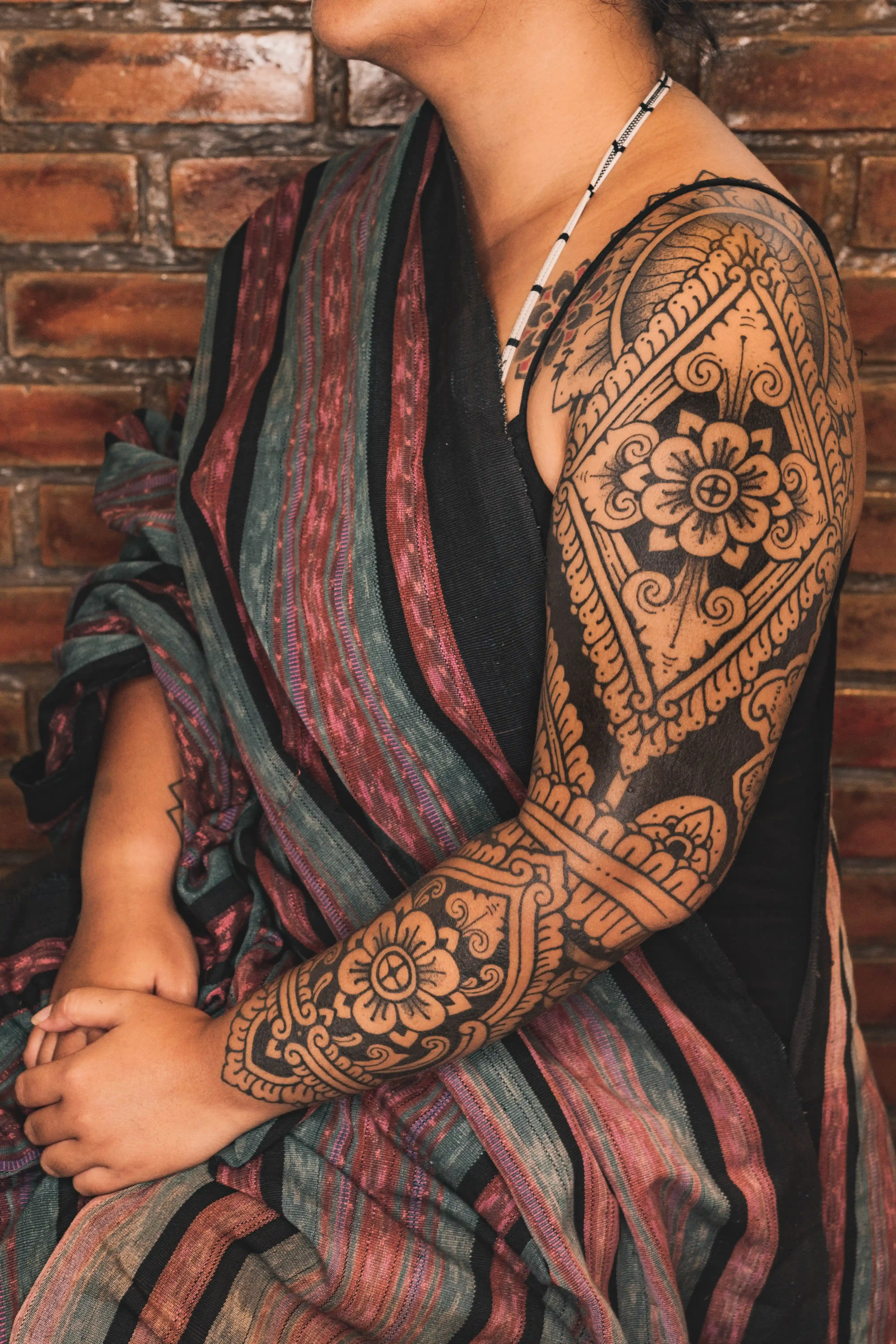
Through tattoos, drawings, paintings, prints, and custom artworks, Sekala 369 brings Indonesian heritage into the present. Balinese ornaments, Javanese references, batik patterns, wayang, temple carvings, and other cultural elements are not copied as surface decoration. They are studied, interpreted, and shaped into works that feel personal and contemporary.
This approach makes Sekala 369 different from many tattoo studios. The studio does not simply create tattoos based on trends. It builds a visual language that connects the wearer, the artist, and the cultural meaning behind the work.
A Conversation Before the Mark
The presence of Rumi Siddhartha in the video adds another layer to the discussion. The format feels less like a promotion and more like a cultural conversation. It shows that tattooing can be part of a wider dialogue about identity, art, memory, and the way tradition continues to move through modern life.
For Sekala 369, the tattoo process begins before the needle touches the skin. It begins with listening. What does the client want to carry? What symbol feels connected to their story? What cultural reference is being used? Is the design respectful to its origin? How will it sit on the body?
These questions matter because a tattoo is permanent. It becomes part of the body, but also part of the person’s ongoing story.
Between the Seen and the Unseen
The name Sekala 369 itself carries a meaningful philosophy. “Sekala” comes from the Balinese concept of Sekala–Niskala, the seen and the unseen. Sekala refers to the visible world, the form that can be perceived by the eyes. In the context of the studio, this visible form becomes tattoo, drawing, painting, pattern, and artwork.
But behind every visible mark, there is also an unseen layer: memory, intention, cultural meaning, and personal interpretation. This is where the work of Sekala 369 becomes more than visual. It becomes a connection between what is seen on the skin and what is felt beneath it.
The conversation between Sekala 369 and Rumi Siddhartha reminds us that tattooing can be more than style. It can be a way to carry heritage, translate memory, and create a meaningful connection between the body and culture.
For Sekala 369, a tattoo is not only a mark. It is a story, a symbol, and a responsibility. It is a visual form shaped by conversation, context, and respect for the culture that inspires it.